Noticias de Keeley'n

Earth day is more than a date on the calendar; it’s a reminder of who we are building for. At Keeley, our work leaves a mark. Long after projects are completed and teams move on, what we build remains. But beyond structures and space, we are also shaping something less viable: the world future generations will inherit. It’s easy to focus on deadlines, deliverables, and the day-to-day demands of our work, but Earth Day challenges us to zoom out; to think about the children who grow up in the communities we build, the resources we use today, and the long-term impact of the choices we make right now. Because the truth is, sustainability isn’t just about being “green” its about being responsible stewards of the future. That means every decision matters. How we use waste, materials, how we protect the environment around our job sites. These choices ripple forward, influencing the quality of life for people we may never meet. The construction industry has a unique opportunity, and responsibility, to lead by example. Thoughtful planning and sustainable practices can lower environmental impact, improve long-term building performance, and create healthier spaces for communities. Every decision we make today helps shape the communities of tomorrow. You don’t have to be on a job site to make a difference. This Earth Day try to find one thing to change, whether that is turning off lights and electronics when not in use, reducing your paper waste in the office, or bringing a reusable water bottle or coffee cup. When we all do a little, it adds up. Years from now, future generations won’t see the schedules we met or the emails we sent. They will experience the outcomes of choices we made. That’s the legacy we are creating – together. This Earth Day let’s think beyond today. Let’s build with the future in mind.

Purpose Keeley Construction is committed to improving safety, sustainability, and operational efficiency across all projects and facilities. The Closed Loop PPE Recycling Program provides a structured process to collect, clean, inspect, and reuse certain PPE items rather than immediately disposing of them. Through this program, PPE items are collected, transported to a recycling partner, laundered, inspected for quality, and returned for reuse when appropriate. The goal is to reduce waste, extend the life of PPE, and support Keeley’s sustainability initiatives. The program supplements existing PPE purchasing practices and does not replace the need to maintain adequate PPE inventory on site. Scope This policy applies to: Keeley Construction offices and job sites participating in the PPE recycling program Team members and supervisors responsible for PPE usage Safety and operations personnel overseeing jobsite compliance Facilities participating in PPE collection and distribution The program currently includes PPE types such as: High impact gloves Dipped gloves Insulated gloves Leather gloves Safety vests These items are collected, sorted, cleaned, inspected, and paired for reuse when possible. Program Overview The PPE recycling process consists of three primary steps: 1. Collection Used PPE is deposited into designated 55-gallon collection drums located at approved facilities or job sites. These drums are labeled and provided as part of the recycling program. Only approved PPE items may be placed in these containers. 2. Processing and Laundering Collected PPE is transported to the recycling partner’s facility where items are: Sorted and evaluated Laundered and sanitized according to manufacturer guidelines Metal detected and inspected for quality control Items that meet safety and quality standards are prepared for redistribution. Items that fail inspection are removed and documented as scrap. 3. Return and Reporting Clean PPE is returned to Keeley facilities along with processing reports documenting: PPE items recovered Scrap quantities Sustainability metrics These reports help track waste reduction and provide visibility into PPE lifecycle management. Safety and Compliance Requirements To maintain compliance with the recycling service agreement: Only non-hazardous PPE may be placed in collection containers. PPE contaminated with hazardous materials, regulated chemicals, or biohazards is strictly prohibited. Any excluded materials remain the responsibility of the facility generating the waste. Team members must follow all OSHA and company safety procedures when handling used PPE. Site Responsibilities Each participating site is responsible for: Maintaining proper PPE inventory levels Ensuring only approved items enter recycling containers Keeping collection areas organized and accessible Coordinating collection schedules with the recycling provider Supporting program tracking and reporting This program is intended to reduce PPE replacement costs and waste, but it does not eliminate the need to purchase new PPE when items are damaged or unsafe. Sustainability Impact By participating in the PPE recycling program, Keeley facilities can: Reduce PPE waste sent to landfills Extending the lifespan of PPE equipment Support broader sustainability and environmental goals The program supports responsible resource management and contributes to waste reduction initiatives across operations.
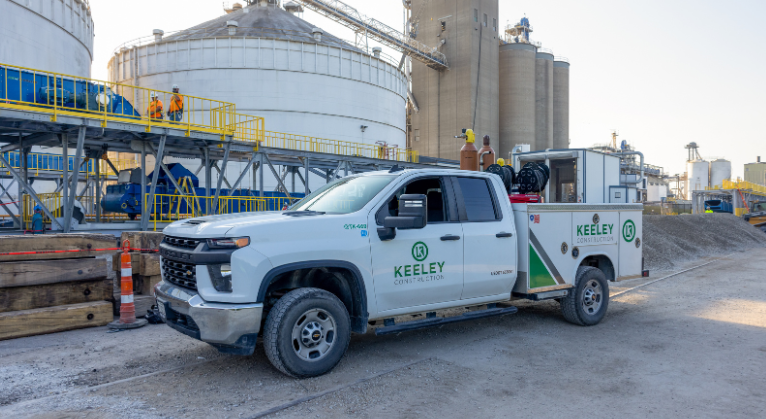
Let’s talk about idle time. In January, Keeley drivers logged more than 720,000 miles. That’s a lot of movement, a lot of work getting done, and a lot of progress being made on our jobs. But our scorecard also showed something worth paying attention to: our company-wide average idle rate is 30.6%. That means almost one-third of the time our engines are on, they’re not actually moving us forward. No one leaves a vehicle running on purpose to waste fuel. It usually happens in small moments — waiting on a load, sitting through a delay, warming up longer than needed, or just getting distracted. But those small moments add up. Across our groups, we’re seeing idle rates range from 20% all the way into the 40% range. That tells us something important: this isn’t about equipment; it’s about habits. Some teams are already proving that lower idle time is possible. And this isn’t just about “being green”. When we let engines idle longer than necessary, it impacts: Fuel costs on our jobs Wear and tear on our trucks and equipment Air quality on and around our jobsites The overall efficiency of how we operate It’s not dramatic. It’s just real. Idle time is one of those things that quietly reflects how tight we run our jobs. When crews are communicating well, when staging is coordinated, and when drivers and operators are thinking ahead, idle time naturally drops. It’s a byproduct of being dialed in. The good news? Fixing it doesn’t require new technology or big changes. It starts with awareness. Simple things make a difference — like shutting down during extended waits, avoiding unnecessary warm-up time, and talking through load timing so trucks aren’t sitting. No one expects perfection. But even a few percentage points of improvement across Keeley would mean real fuel savings and fewer unnecessary emissions across hundreds of thousands of miles. Next time you’re sitting in a running vehicle, ask yourself: Do I need this on right now? One decision doesn’t change much. But hundreds of those decisions do. That’s how culture shifts happen. That’s KeeleyGreen.
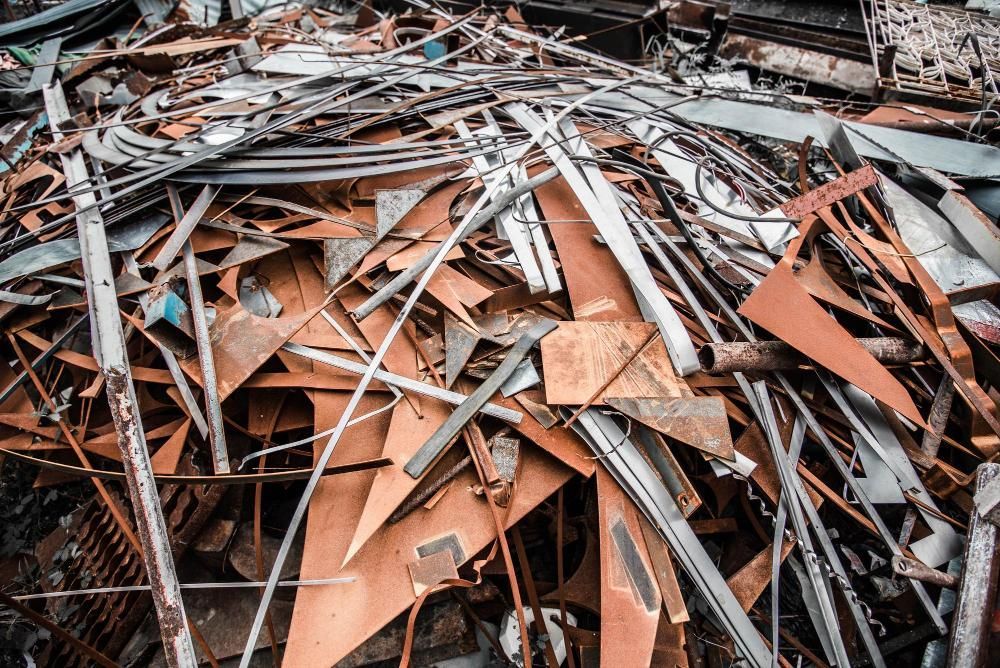
1.0 – Definition 2.0 – Policy 2.1 – Time & Material Projects 2.2 – Lump Sum Projects 3.0 – Mailing Instructions and Address Information 1.0 – Definitions Any surplus construction materials or structural components that are deemed to be scrap, that can be collected and taken to a recycling facility for compensation. Any used and or removed construction materials or structural components that are taken out during demolition that can be collected and taken to a recycling facility for compensation. 2.0 – Policy It is the general policy of Keeley to act with honesty and integrity when accounting for surplus and scrap materials. At no time shall materials be willfully and purposely recycled. Scrap materials are the property of the client or the company and should be treated as such. 2.1 – Time & Material Projects On a Time & Material (T&M) project the client owns all scrap materials when the materials have been originally purchased by them. In this case it is the client’s sole responsibility to collect (or provide a collection receptacle), transport, and collect any applicable compensation. Should the Client turn the scrap materials over to Keeley a written notice of this action is required before taking ownership of the materials. In this case, please refer to section 2.2. 2.2 – Lump Sum Projects On a lump sum project where the original construction materials are purchased by the company, Keeley owns all of the scrap materials that may arise. In this case care shall be taken to collect all scrap materials throughout the construction process. The items shall then be transported to a recycling facility that will pay out the compensation in form of a check. This check shall be made payable to Keeley Construction. This check shall then be promptly mailed to the Ewing Keeley office. 3.0 – Mailing Instructions Please send the scrap compensation checks in the US Mail or via UPS to the following address. After mailing the check please follow up with an email to jridler@keeleyconstruction.com with any tracking information and to let him know to be on the lookout. Keeley Construction Attn: Josh Ridler 500 S Ewing Ave Unit G St. Louis, MO 63103

Let’s be honest, going “fully green” overnight isn’t realistic for most of us. That’s okay. Sustainability isn’t about perfection. Small, consistent changes can make a real impact, especially when they are habits you’ll stick with. Here are a few simple ways to be more eco-friendly without overhauling your life. 1. Cut back on single use items This one is low effort, but high impact. Keep reusable water bottles, coffee mug, or a set of utensils on hand. Fewer disposables equal less waste in landfills. 2. Be intentional with energy use Turning off the lights when you leave a room, or unplugging chargers when your not using them seems like minor usage, but these add up. Open the blinds instead of flipping the switch, your plants will thank you. 3. Choose digital when you can Opt for digital documents, invoices, and notes instead of printed ones. When printing is necessary, use double-sided printing. It’s a simple way to reduce paper waste, especially in an office environment. 4. Support sustainable choices (when possible) You don’t have to buy all “green” everything. Just be more mindful. Choose durable products over disposable ones, and support companies that prioritize sustainability when it makes sense for you. 5. Talk about it One of the most overlooked green habits is conversation. Sharing tips, tricks, and wins with others helps normalize eco-conscious choices and encourages others to try them. Sustainability is about progress, not perfection. Start with one or two habits that feel manageable and build from there. Remember, real change takes time.

For those of you who haven’t heard yet, we are rolling out a new platform, GCPay, to help us manage lien waivers and subcontractor pay applications. GCPay will integrate seamlessly with CMiC to streamline workflows for our Finance & Accounting team, as well as improve processes for project teams as it relates to subcontractor bills & communication. Take a look at the information below so you are fully informed about how the GCPay rollout will impact you!
We’ve officially been live in CMiC for over 100 days! While we know these first few months have come with challenges and plenty of learning, it’s important to take a moment to celebrate progress. Our Keeley’ns are making strides, and we’re excited to highlight some of the wins that are already making a difference! Improved Processes through CMiC Time entry is quicker and easier, with mobile access making it especially helpful for our field teams. Having one platform across departments creates consistency and continuity. There was a steep learning curve that came with frustration, but as Keeley’ns have learned the system we have received lots of positive feedback! Check runs are faster and can handle larger volumes than ever before. From an Operations perspective, AP coding has been working smoothly, specifically the ability for detailed tracking throughout the process, helping teams stay accurate and efficient. From an Accounting standpoint, we’ve recently made updates to the AP process to increase speed & efficiency (workflow changes, CMiC enhancements, and more). Job setup is streamlined — no more duplicate data entry! Plus, the Salesforce integration has now been turned on which will further improve this process. Subcontract and PO workflows now include full audit histories, giving us visibility into the history and status of the subcontract or PO. Change order management through CMiC allows for more accurate forecasting and better project tracking. The Redlist and Fieldpoint integrations have gone live, both pulling time entered in those systems into CMiC for much easier payroll processing. Reports & Data Easier than ever through CMiC Teams have easier access to the data they need, supporting smarter, faster decisions. Custom dashboards allow Keeley’ns to organize information in the way that works best for them. Job cost drill-down reports & queries provide visibility into spending trends for reference and the opportunity to identify cost savings. Reduced syncing issues between systems mean fewer headaches and smoother workflows. Financial reporting is customizable, so anyone from AP to Project Managers can see exactly what matters most to them. Other Wins & Improvements Custom security settings keep data safe while allowing flexibility where it’s needed and our CMiC & IT teams continue learning more about security to make it work better for us. Training resources through CMiC continue to help Keeley’ns build confidence and learn as we go – with many more training materials to be delivered by the end of the year! There are so many more updates, enhancements, and process improvements that have come to life over the last 100 days since going live with CMiC. All of these wins are a testament to the hard work, patience, and collaboration of Keeley’ns across all teams. Thank you for embracing the challenges, supporting each other, and helping us get stronger every day. We’ll continue sharing wins as we grow with CMiC — and together, we’ll keep making progress!
This integration will share opportunity and account information between CMiC and Salesforce. Once an opportunity is created or updated in Salesforce, all relevant opportunity and account information will be automatically passed to CMiC. Updates to opportunities in CMiC will also be automatically passed to Salesforce. Once a job number is created in CMiC, it will be sent back to Salesforce automatically. It is important to note, however, that opportunities created in CMiC will not be passed to Salesforce, so all opportunities must be created in Salesforce . How the integration works: When an opportunity in Salesforce reaches the Proposal stage or beyond, its data is automatically synced to CMiC. Data from Salesforce to CMiC will be synced every 10 minutes at the :01 mark – ex: 11:01, 11:11, 11:21, etc. Data from CMiC to Salesforce will be synced every 5 minutes on the :00 & :05 marks – ex: 11:00, 11:05, 11:10, etc. The following fields will sync between the two systems: Salesforce ID (Links the opportunity across both systems) Organization / Business Partner Name Current Sales Stage Opportunity Financial Fields Key Dates Organizational Details (Department, Division, Office) Required Opportunity Fields Site Address Important Note: If an opportunity comes over from Salesforce to CMiC and the customer does not exist in CMiC as an Organization – then the customer will show as “New Organization”. If that is the case, then the customer either doesn't exist in CMiC or the Salesforce Account is not linked to an existing CMiC customer. First, search for the customer in the lookup for assigning the organizing. If the customer does not exist in that list, then the customer will need to be set up by Accounting. Please reach out to Sean Fleming for support. With questions or concerns regarding the integration between Salesforce and CMiC, you can reach out to your Operational Finance Team or submit a helpdesk ticket by emailing helpdesk@keeleycompanies.com
The transition to CMiC has uncovered some challenges to our AP processes for project and accounting teams. Over the past 90 days, we’ve been working through these challenges to improve the speed & efficiency of our process. See below for some highlights of these major changes & improvements. New Commitment Policy for Purchases over $25K As of August 1 st , Project Accountants have been rejecting any invoices over $50,000 that lack a valid commitment. As of September 1 st , this threshold will drop to $25,000. This means that commitments will be REQUIRED for all purchases over $25,000. This is a critical change aimed at enforcing procurement discipline and improving visibility over large expenditures. Workflow Adjustment for Invoices Less than $2,500 Invoices under $2,500 are now being routed to the PM only for approval and the Project Accountant is no longer part of the workflow. Approximately 70% of our invoices fall below this threshold, so this change is expected to significantly reduce the volume of approvals and streamline processing for small-dollar invoices. As a PM, please exercise extra discipline in the approval process since you are the last set of eyes on the invoice before it gets paid! Ability to Change/Reassign Invoices Users in operations have the ability to change the job number in the flysheet (header) in Image Manager within CMiC. This means less invoices should be returned to data entry and should result in a quicker turnaround on invoice processing and approval. Users in operations can also reassign invoices to others, rather than needing to reject them back to AP to be redirected. Additional training on this process is taking place in each of the business units. If you miss that training, please reach out to the Operational Finance Team (formerly Project Controls & Project Accounting) within your business unit for support. Importance of Quality Rejection Notes Users in operations will now be asked to categorize their rejections to clear up confusion and streamline the AP process. The three buckets in which you can categorize your rejection are DO NOT PAY, DATA ENTRY, and VENDOR ISSUE. Providing productive comments when rejecting invoices is extremely helpful in getting the invoice corrected or reassigned. If you have any questions regarding how to reject invoices or leave comments, please reach out to the Operational Finance Team (formerly Project Controls & Project Accounting) within your business unit for support.
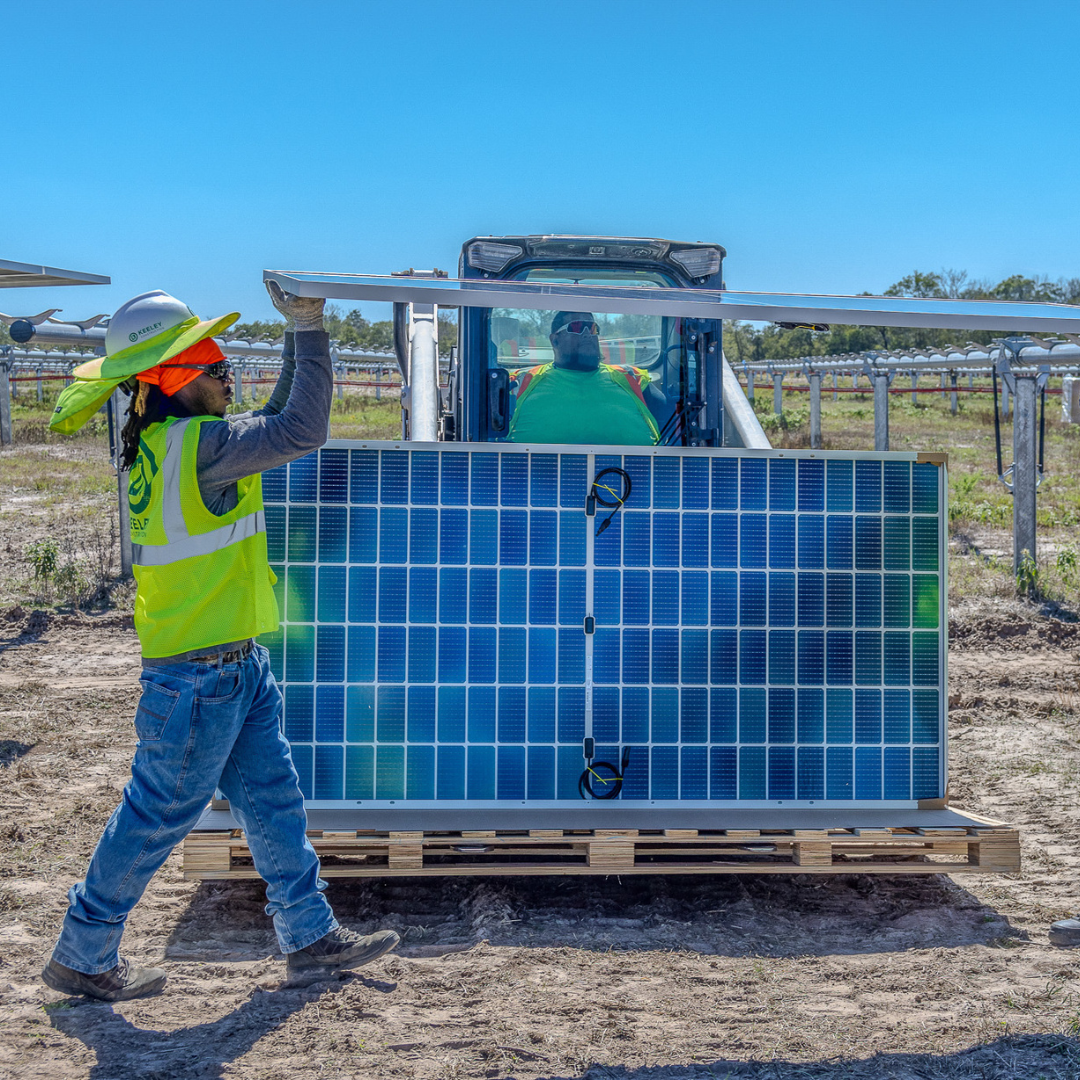
The Future Is Built on Sustainable Design The construction industry is undergoing a transformation. As the global demand for renewable energy grows and infrastructure becomes more environmentally accountable, solar farms and sustainable construction are taking center stage. At Keeley, we’re not just keeping pace with the future—we’re helping build it. Solar 101: How It Works on a Larger Scale Solar farms, also known as photovoltaic (PV) power stations, use large-scale arrays of solar panels to generate electricity. Unlike rooftop systems, solar farms are designed for grid-level energy production, often covering acres of land with thousands of interconnected panels. Here’s how it works: Solar Panels: Mounted on ground-fixed or tracking systems, these capture solar energy efficiently across large areas. Inverters and Transformers: These convert the DC output from the panels into AC power suitable for grid transmission. Grid Integration: Power from solar farms is fed into utility grids or microgrids, providing energy to thousands of homes, industries, and facilities. Energy Storage Systems (ESS): Battery solutions allow excess energy to be stored and released when demand peaks or sunlight is low. Why It’s Worth the Investment Scalable Power Production: Solar farms can generate anywhere from a few megawatts to hundreds, supplying clean energy on a massive scale. Long-Term ROI: Though upfront costs can be high, operational expenses are minimal, with low maintenance and zero fuel costs. Regulatory and Tax Incentives: Governments continue to back utility-scale renewables with grants, incentives, and favorable zoning policies. Land Optimization: Underutilized or non-arable land can be repurposed for solar farms, creating economic value while preserving agricultural zones. Carbon Offset Benefits: Solar farms dramatically reduce emissions compared to traditional energy sources, aligning projects with ESG goals and climate commitments. The Future Is Built on Sustainable Civil Design Sustainable design isn’t limited to buildings—it’s revolutionizing civil construction , too. Whether it’s roads, bridges, or public infrastructure, sustainable practices are reshaping how we approach large-scale projects: Low-Carbon Materials: Incorporating recycled aggregates, low-emission concrete, and eco-asphalt into construction workflows. Stormwater Management: Designing with permeable pavements and green drainage systems to control runoff and improve water quality. Site Optimization: Minimizing land disruption and integrating renewable installations like solar or wind within transportation and industrial corridors. Energy Infrastructure Integration: Combining civil works with utility-scale solar installations to power public infrastructure directly from renewable sources. By embedding sustainability into every stage of the civil construction process, we not only meet evolving regulatory demands—we also help future-proof infrastructure for the next generation. The future of construction lies at the intersection of energy, infrastructure, and environmental responsibility . Check out Keeley’s Solar projects here: https://www.keeleyconstruction.com/projects/engie-solar-panel-farm https://www.keeleyconstruction.com/projects/7v-solar-ranch https://www.keeleyconstruction.com/projects/cofeen-solar-farm https://www.keeleyconstruction.com/projects/baldwin-solar-farm