GCPay Rollout

September 24, 2025

Get Ready for the Q4 Rollout of GCPay!

For those of you who haven’t heard yet, we are rolling out a new platform, GCPay, to help us manage lien waivers and subcontractor pay applications. GCPay will integrate seamlessly with CMiC to streamline workflows for our Finance & Accounting team, as well as improve processes for project teams as it relates to subcontractor bills & communication. Take a look at the information below so you are fully informed about how the GCPay rollout will impact you!

Upcoming Training Sessions

The Operational Finance team, Procurement group, and key individuals within each business unit have already started receiving GCPay training. We are hosting additional training sessions over the first few weeks of October to ensure project teams have all the info they need to begin reviewing pay apps in GCPay by mid-October. We’ll also host Open Office Hours-style sessions leading up to the first subcontractor bills being due October 25th. Team members should attend one of the below mandatory training sessions. Click the session to download the calendar invite:

October 1 | 2p-3p October 2 | 11a-12p October 7 | 8:30a-9:30a October 8 | 2p-3p

What is GCPay and How Will it Work?

GCPay comes with a variety of benefits, but it will ultimately serve two primary purposes for us – (1) reduce workload for Accounting significantly by automating the management of lien waivers, increasing the speed of other accounting processes and (2) improve the communication & approval/rejection process of subcontractor pay apps for project teams and subcontractors.


Subcontractors will submit pay apps through GCPay against approved SOVs and Change Orders – preventing overbillings from subs. Project teams will review pay apps and approve or reject directly through GCPay where subs can see the status – reducing the constant back & forth throughout the process. GCPay will automatically generate lien waivers and enforce a signature as a requirement for pay app submission – eliminating the chase & hassle that comes with lien waivers.

The Impact on Keeley'ns & Subcontractors

Not only will Keeley’ns be using GCPay to review subcontractor pay applications, but subs will also be using GCPay to submit their pay apps. Subcontractors will need to create accounts, learn the system, and begin submitting their pay apps using GCPay before the October 25th billing deadline. Beginning next week, we will be sending corporate communications to subcontractors with instructions & details regarding this change. We will also be sharing resources internally so that you can help us communicate with your partners – as your personal message will be critical to gaining their buy-in and onboarding them

into GCPay. Be on the lookout for these details!

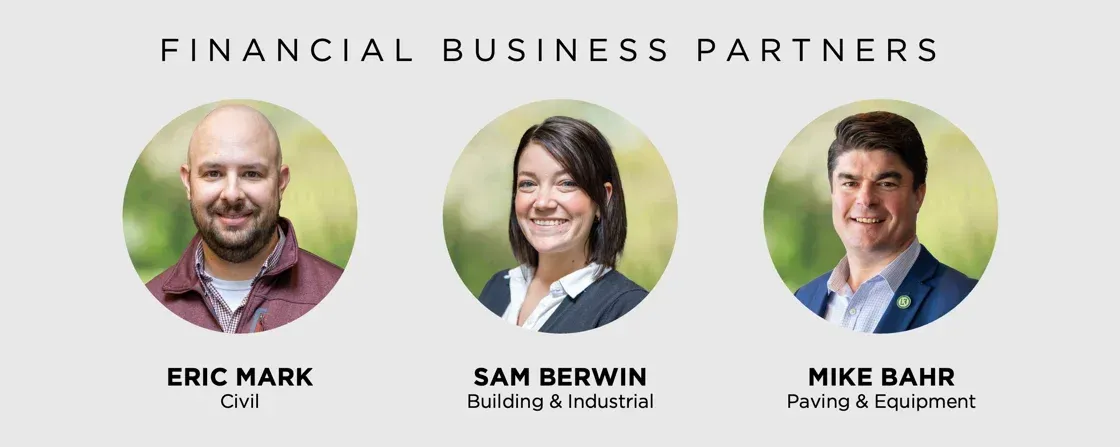
Questions About GCPay? Contact Your FBP

We will continue to communicate over the coming weeks with details regarding the rollout, training, and subcontractor communication resources. If you have any questions about how the GCPay rollout impacts you or your partners – please reach out to the Financial Business Partner for your business unit.

March 4, 2026
Purpose Keeley Construction is committed to improving safety, sustainability, and operational efficiency across all projects and facilities. The Closed Loop PPE Recycling Program provides a structured process to collect, clean, inspect, and reuse certain PPE items rather than immediately disposing of them. Through this program, PPE items are collected, transported to a recycling partner, laundered, inspected for quality, and returned for reuse when appropriate. The goal is to reduce waste, extend the life of PPE, and support Keeley’s sustainability initiatives. The program supplements existing PPE purchasing practices and does not replace the need to maintain adequate PPE inventory on site. Scope This policy applies to: Keeley Construction offices and job sites participating in the PPE recycling program Team members and supervisors responsible for PPE usage Safety and operations personnel overseeing jobsite compliance Facilities participating in PPE collection and distribution The program currently includes PPE types such as: High impact gloves Dipped gloves Insulated gloves Leather gloves Safety vests These items are collected, sorted, cleaned, inspected, and paired for reuse when possible. Program Overview The PPE recycling process consists of three primary steps: 1. Collection Used PPE is deposited into designated 55-gallon collection drums located at approved facilities or job sites. These drums are labeled and provided as part of the recycling program. Only approved PPE items may be placed in these containers. 2. Processing and Laundering Collected PPE is transported to the recycling partner’s facility where items are: Sorted and evaluated Laundered and sanitized according to manufacturer guidelines Metal detected and inspected for quality control Items that meet safety and quality standards are prepared for redistribution. Items that fail inspection are removed and documented as scrap. 3. Return and Reporting Clean PPE is returned to Keeley facilities along with processing reports documenting: PPE items recovered Scrap quantities Sustainability metrics These reports help track waste reduction and provide visibility into PPE lifecycle management. Safety and Compliance Requirements To maintain compliance with the recycling service agreement: Only non-hazardous PPE may be placed in collection containers. PPE contaminated with hazardous materials, regulated chemicals, or biohazards is strictly prohibited. Any excluded materials remain the responsibility of the facility generating the waste. Team members must follow all OSHA and company safety procedures when handling used PPE. Site Responsibilities Each participating site is responsible for: Maintaining proper PPE inventory levels Ensuring only approved items enter recycling containers Keeping collection areas organized and accessible Coordinating collection schedules with the recycling provider Supporting program tracking and reporting This program is intended to reduce PPE replacement costs and waste, but it does not eliminate the need to purchase new PPE when items are damaged or unsafe. Sustainability Impact By participating in the PPE recycling program, Keeley facilities can: Reduce PPE waste sent to landfills Extending the lifespan of PPE equipment Support broader sustainability and environmental goals The program supports responsible resource management and contributes to waste reduction initiatives across operations.
March 4, 2026
Let’s talk about idle time. In January, Keeley drivers logged more than 720,000 miles. That’s a lot of movement, a lot of work getting done, and a lot of progress being made on our jobs. But our scorecard also showed something worth paying attention to: our company-wide average idle rate is 30.6%. That means almost one-third of the time our engines are on, they’re not actually moving us forward. No one leaves a vehicle running on purpose to waste fuel. It usually happens in small moments — waiting on a load, sitting through a delay, warming up longer than needed, or just getting distracted. But those small moments add up. Across our groups, we’re seeing idle rates range from 20% all the way into the 40% range. That tells us something important: this isn’t about equipment; it’s about habits. Some teams are already proving that lower idle time is possible. And this isn’t just about “being green”. When we let engines idle longer than necessary, it impacts: Fuel costs on our jobs Wear and tear on our trucks and equipment Air quality on and around our jobsites The overall efficiency of how we operate It’s not dramatic. It’s just real. Idle time is one of those things that quietly reflects how tight we run our jobs. When crews are communicating well, when staging is coordinated, and when drivers and operators are thinking ahead, idle time naturally drops. It’s a byproduct of being dialed in. The good news? Fixing it doesn’t require new technology or big changes. It starts with awareness. Simple things make a difference — like shutting down during extended waits, avoiding unnecessary warm-up time, and talking through load timing so trucks aren’t sitting. No one expects perfection. But even a few percentage points of improvement across Keeley would mean real fuel savings and fewer unnecessary emissions across hundreds of thousands of miles. Next time you’re sitting in a running vehicle, ask yourself: Do I need this on right now? One decision doesn’t change much. But hundreds of those decisions do. That’s how culture shifts happen. That’s KeeleyGreen.
January 27, 2026
1.0 – Definition 2.0 – Policy 2.1 – Time & Material Projects 2.2 – Lump Sum Projects 3.0 – Mailing Instructions and Address Information 1.0 – Definitions Any surplus construction materials or structural components that are deemed to be scrap, that can be collected and taken to a recycling facility for compensation. Any used and or removed construction materials or structural components that are taken out during demolition that can be collected and taken to a recycling facility for compensation. 2.0 – Policy It is the general policy of Keeley to act with honesty and integrity when accounting for surplus and scrap materials. At no time shall materials be willfully and purposely recycled. Scrap materials are the property of the client or the company and should be treated as such. 2.1 – Time & Material Projects On a Time & Material (T&M) project the client owns all scrap materials when the materials have been originally purchased by them. In this case it is the client’s sole responsibility to collect (or provide a collection receptacle), transport, and collect any applicable compensation. Should the Client turn the scrap materials over to Keeley a written notice of this action is required before taking ownership of the materials. In this case, please refer to section 2.2. 2.2 – Lump Sum Projects On a lump sum project where the original construction materials are purchased by the company, Keeley owns all of the scrap materials that may arise. In this case care shall be taken to collect all scrap materials throughout the construction process. The items shall then be transported to a recycling facility that will pay out the compensation in form of a check. This check shall be made payable to Keeley Construction. This check shall then be promptly mailed to the Ewing Keeley office. 3.0 – Mailing Instructions Please send the scrap compensation checks in the US Mail or via UPS to the following address. After mailing the check please follow up with an email to jridler@keeleyconstruction.com with any tracking information and to let him know to be on the lookout. Keeley Construction Attn: Josh Ridler 500 S Ewing Ave Unit G St. Louis, MO 63103